

Blog
VANS SPORT CENTERS BOATING TIPS: BOAT SEAT PROTECTION
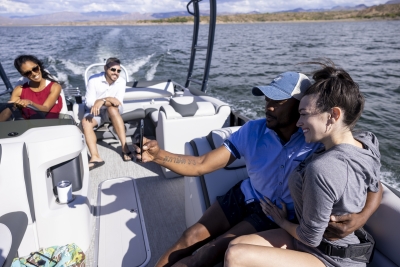
Keeping your boat clean and looking brand new can be a task that constantly needs attention. If you live on a lake and store your boat outside all sumer, you especially know this to be true. Between the sun blistering down all day, birds using it as a perch, rain pounding on it, and the family using it regularly, it can be a tedious battle of upkeep. One of the best things you can do for your boat would have to be protecting and keeping your vinyl seats clean. Once those go, your boat definately takes a hit cosmetically.
LOVE YOUR BOAT? REPOWER WITH NEW TECHNOLOGY!
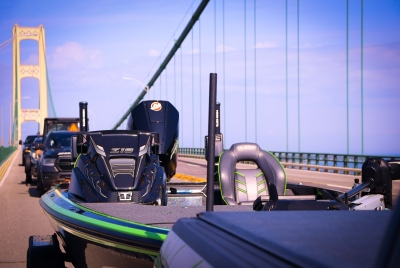
You've had the boat for a while now and you've finally come to a crossroads. Its time for an upgrade but the real question is what route do you take. Are you looking for a new boat, new-to-me, or are you just looking to repower the old 2-stroke. One of the main things you should be thinking about is how the boat performs for your application of use. Does it do everything you need it to and if not, what would you like different? More often then not, the answer to this question is as simple as repowering the rig.
BOAT BATTERY STORAGE: OFF SEASON TIPS
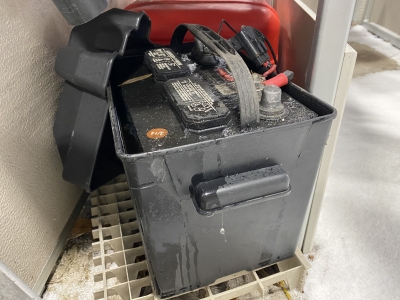
One of the most frustrating things that can happen to you when you're finally ready to leave the dock is a motor that wont start due to your battery. If you're an avid boater, chances are you have been there and know exactly what I am talking about. Whether you forgot to charge it from the time before or you didn't properly store it in the off season, theres no doubt that it will totally wreck your day. One of the best things you can do for your battery is to properly store it during the winter months to ensure your not dead on the water next spring.
A GIFT FROM THE FISH GODS
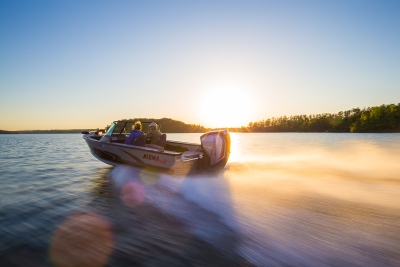
Christmas is right around the corner, but what do you get the person on your list that loves to be on the water? You could go with the traditional new rod and reel set-up, maybe some tackle, or even another pair of expensive sunglasses that they will just end up breaking or loosing in a few months. What if it was something that gives back to the enviroment everytime they're on their favorite waterway?
WINTERIZATION: PERPARATION FOR BOATING IN SPRING
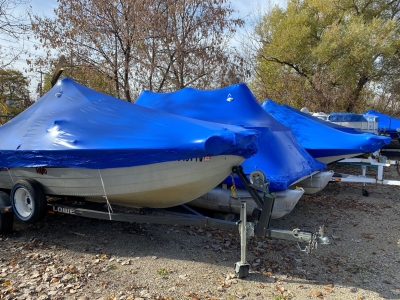
Being a boater in Michigan, you cant really compain about the weather we have had this year. Its now mid November and we are just starting to see the cold winds from the north roll into the state. I mean, an extra month or so out on the water is never a bad thing, but now its time to kick it into gear and winterize the boat for the upcoming months ahead. Winterizing the boat is one of the last things we want to deal with in the fall, well other than raking the leaves, but its essntial to protecting your investment and utilizing all of your days on the water next spring. Boats can be expensive to own but fixing broken parts due to poor winter preparation can get even pricier.
INTRODUCING TOADFISH'S NEW NON-TIPPING CAN COOLER!
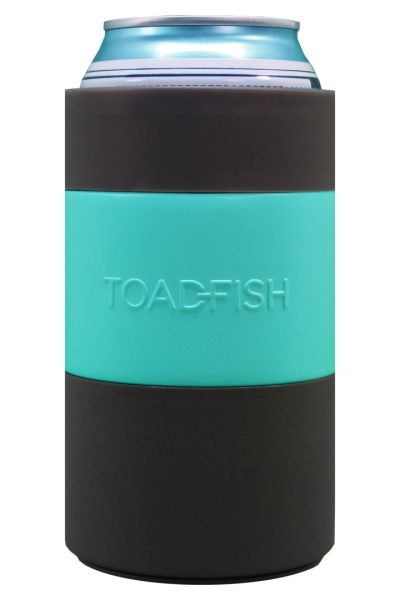
We've added a new item to our inventory! The Toadfish Non-Tipping Can Cooler is the first of its kind un-spillable beverage cooler. The innovative suction cup technology allows the Can Cooler to stick to any smooth surface. From a lack of cup holders on a rocking boat to wagging dog tails, this product will keep your drink upright, accident-free, and icy cold. Also, for every product sold, Toadfish will replant 10 sqft of new oyster beds to help clean our coastal waters! It's a must-have!
A NEW START - REPOWER!
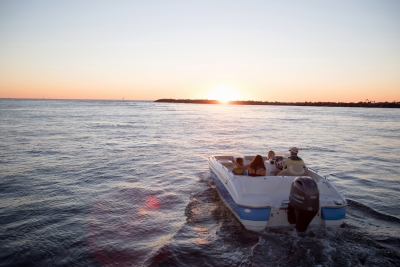
Its the beginning of a new boating season here in Michigan and you have had it with your outboard. Its loud, guzzles gas, costly to repair, and simply just outdated. You're done with the headaches so you decide to repower your boat with newer technology, possibly making that move to a four stroke. You would like to save some money by going with a used outboard, but buying new isn't out of the question. You're just sure you want a dependable motor that starts right up and runs the rest of the day. Either route you take Vans Sport Center has the inventory and experience to help you get what suites your needs.
TOHATSU 50 HP MOTOR REVIEW
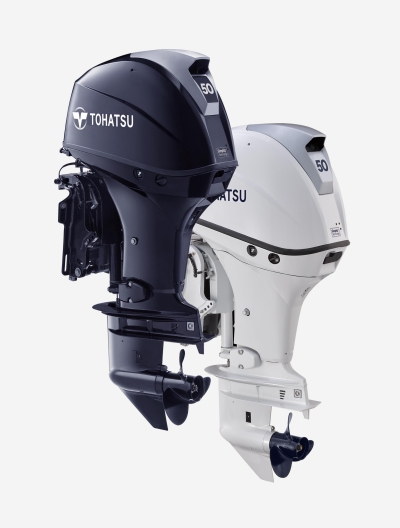
We've posted our first motor review on our YouTube channel and we have started with our most popular outboard - the Tohatsu 50HP! There are a ton of reasons why the Tohatsu 50hp outboard is one of the best selling motors we have, but you will have to head over to our channel to hear all about it. Click the link below!
Please like, subscribe, and share!
Let us know if there's any speciifc motors you're interested in learning more about. This is the first of many.
More...
HOW TO: BOAT BATTERY INSTALLATION
Installing a marine battery may seem a bit compicated, but the process is usually fairly simple. If you know how to install a car battery, this will be a breeze. It's almost the same process. No worries if you haven't. We'll walk you through a few quick, easy steps. One thing to note: it is very important to be aware of the potential risks and dangers involved with battery installation. Working with electrical equipment is a risky process, and by taking necessary precautions, you can prevent yourself and others from being injured. If you have any questions or would like a certified mechanic to do this for you, give Van's Sport Center a call at (616) 364-0666.
To begin this process, you'll need a new boat battery. You should also have a battery box to protect your marine battery from the elements. You'll also need two different wrenches. One being the 1 1/2" and the other the 9/16". These are used for both removing the existing battery connections and installing the new one. Lastly, you'll need a small container of vaseline to use as source of grease for the new battery's terminals.
NEW BOATING & FISHING LAWS - ATTN: MICHIGAN

New boating and fishing laws are now in effect to prevent the introduction and spread of invasive species. Michigan's Natural Resources and Environmental Protection Act have made some changes for boaters and anglers that may switch up your regular routine. The amendents are intended to strengthen protection for Michigan's waterways against the introduction and spread of aquatic invasive species.
LOOKING FOR A NEW-TO-YOU USED OUTBOARD MOTOR?

Here at Van's Sport Center, our used outboard collection is at an all-time high. We've got about 150 used motors that are ready to find their new homes. There are a few things to consider when you are in the market to buy a used outboard. Consider where do you go to find one? How old is too old? 2-stroke or 4-stroke? Tiller steering or remote steering? What's your maximum horsepower size? What does your budget look like? Do you have a control box already mounted on the boat from the previous motor? Is it a good working motor? Is it in the condition you were hoping for? I'll walk you through a few basic things to think about before you're tempted to grab the best deal.
SPRING TRAINING - GET YOUR BOAT IN SHAPE!

With these warmer temperatures, our eye is on the prize – boating season! And when that first nice day arrives, it’s temping to hit the water immediately, wing it, and hope for the best. However, doing this often leads to breakdowns and a slow joy-ride as you’re being towed back to your launch point. Do yourself a favor and prepare your vessel the right way. It is best to have a certified mechanic complete any pre-seasonal maintenance, but if you’re more of a do-it-yourselfer – no worries. The steps below will provide a few basic (but crucial) things to check before your first launch. Pre-season maintenance will vary depending on different models, sizes, years, etc. Please be sure to check your owner’s manual to complete the manufacturer’s recommended maintenance.